Top 5 Signs of Crawl Space Mold in Raleigh (2025 Guide)
Learn the warning signs of mold in your crawl space before it becomes a major health hazard.
Your crawl space is out of sight, but it should never be out of mind. In Raleigh's humid climate, crawl spaces are breeding grounds for mold that can impact your family's health and your home's value. Here are the five critical warning signs every Triangle homeowner needs to know.
Why This Matters in 2025
With Raleigh experiencing record humidity levels in recent summers and increasingly unpredictable weather patterns, crawl space mold has become more prevalent than ever. The CDC reports that prolonged mold exposure can trigger respiratory issues, allergic reactions, and asthma attacks, especially in children and elderly family members.
1Musty, Earthy Odors Throughout Your Home
The most common and often earliest sign of crawl space mold is a persistent musty smell. This odor is caused by microbial volatile organic compounds (MVOCs) that mold releases as it grows. In Raleigh homes, this smell typically becomes more noticeable during humid summer months or after heavy rainfall.
What to look for: The smell might be strongest near floor vents, in closets, or in rooms directly above the crawl space. Many homeowners describe it as smelling like old books, wet cardboard, or soil.
Why it happens: Up to 50% of the air in your home comes from your crawl space through a process called the stack effect. When mold grows below, those spores and odors rise into your living space.
2Increased Allergy Symptoms and Respiratory Issues
Have you noticed your family sneezing more, experiencing watery eyes, or dealing with persistent coughing when at home? Crawl space mold could be the culprit. Mold spores are microscopic and easily become airborne, triggering allergic reactions even in people without previously diagnosed allergies.
Common symptoms include:
- Persistent runny or stuffy nose
- Itchy, watery eyes
- Frequent sneezing or coughing
- Skin irritation or rashes
- Worsening asthma symptoms
- Headaches or fatigue that improve when away from home
Triangle area insight: Durham and Chapel Hill residents often mistake these symptoms for seasonal allergies from pine pollen or ragweed, but if symptoms persist year-round or worsen indoors, mold may be the real issue.
3Visible Mold Growth or Water Stains on Floor Joists
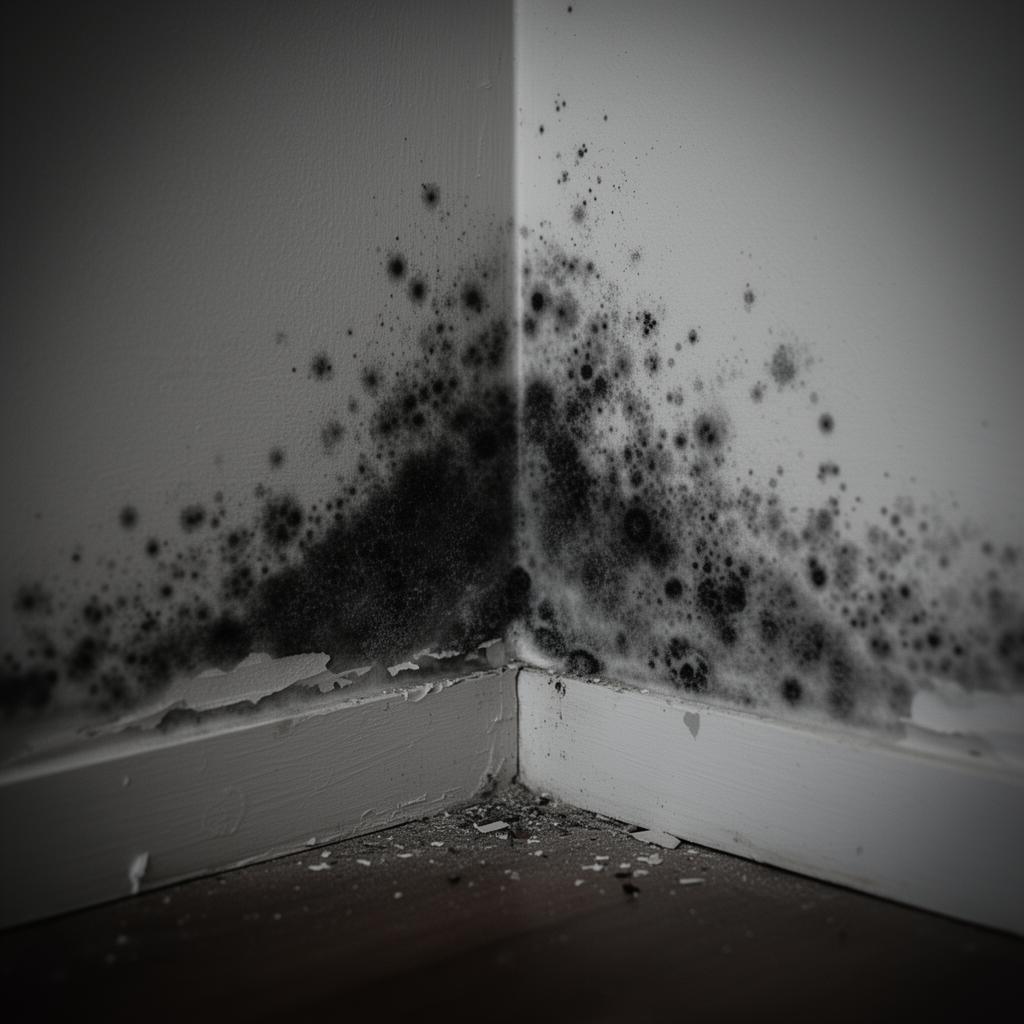
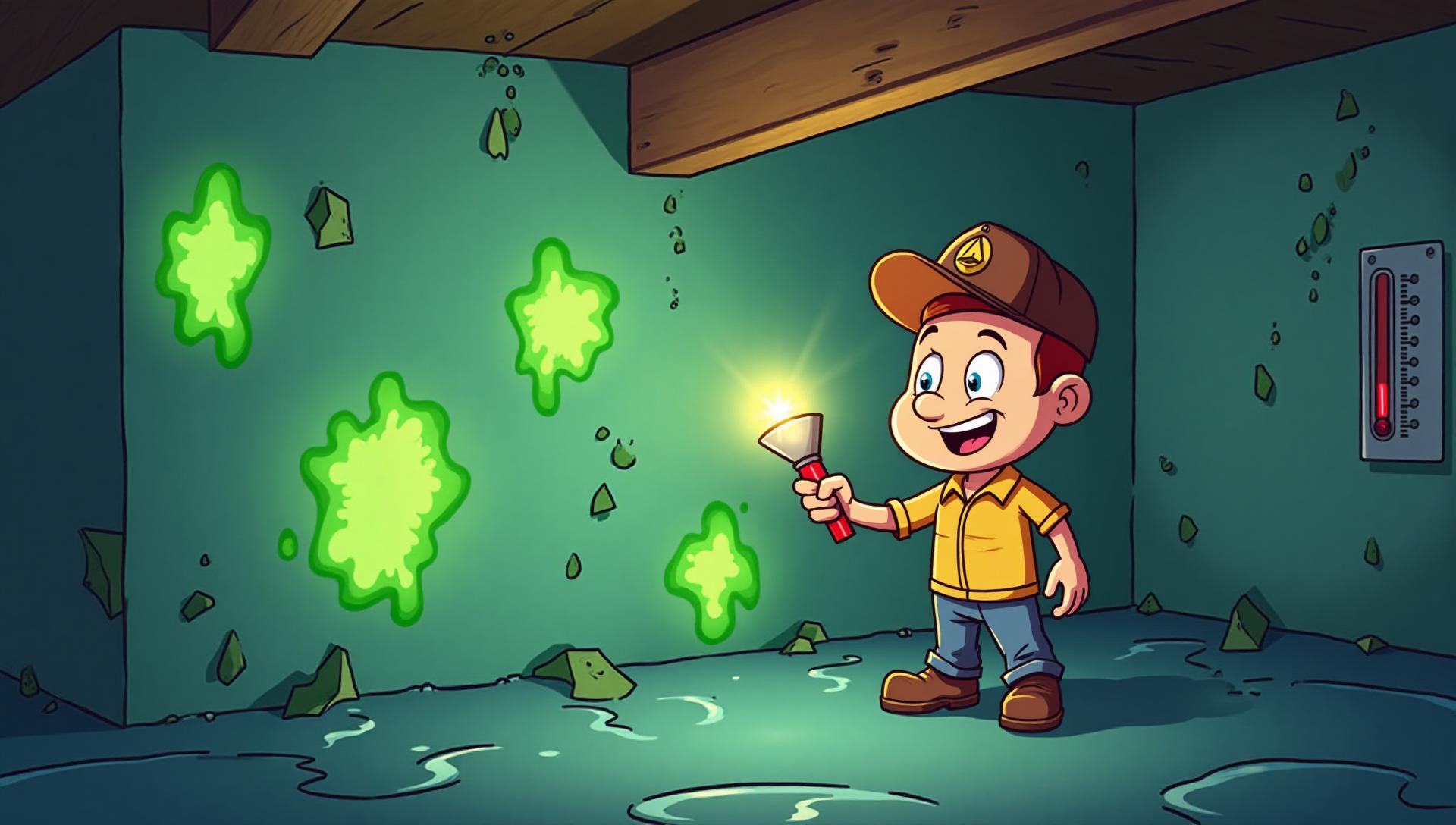
If you're brave enough to peek into your crawl space with a flashlight, visible mold is a clear red flag. Mold can appear in various colors including black, green, white, or even orange, depending on the species and what it's growing on.
Where to check:
- Floor joists and subfloor underside
- Foundation walls and support beams
- Insulation materials
- Around HVAC ducts and pipes
- Near crawl space vents
Water stains, even if you don't see active mold growth, indicate moisture problems that will eventually lead to mold. These stains often appear as dark spots, streaks, or discoloration on wood surfaces.
4Warped or Buckling Floors Above the Crawl Space
Mold doesn't just threaten your health; it can compromise your home's structural integrity. As mold and moisture damage wood, you might notice your floors becoming uneven, sagging, or feeling "soft" or "bouncy" when you walk on them.
Signs to watch for:
- Hardwood floors cupping, crowning, or separating
- Carpet developing ripples or buckling
- Doors that suddenly stick or won't close properly
- Gaps appearing between the floor and baseboards
- A noticeable slope or dip in the floor
This is especially common in older Raleigh homes built in the 1960s-1980s with vented crawl spaces. The combination of North Carolina's humidity and poor crawl space ventilation creates perfect conditions for wood rot and mold growth.
5Skyrocketing Energy Bills
While it might seem unrelated, crawl space mold and the moisture that feeds it can significantly impact your energy costs. Mold thrives in humid environments, and that same humidity makes your HVAC system work much harder to maintain comfortable temperatures.
Here's how it works: When your crawl space is humid and moldy, damp air enters your home. Your air conditioner must remove this excess moisture while cooling, essentially dehumidifying and cooling simultaneously. This double duty can increase energy consumption by 15-25%.
Additionally, if mold has damaged insulation or caused it to sag away from the subfloor, your home loses insulation value. Many Triangle homeowners see their summer cooling bills spike by $50-150 per month when crawl space mold issues go unchecked.
What To Do If You Spot These Signs
Don't panic, but do act quickly. Mold problems only worsen with time, and early intervention is always cheaper and more effective than waiting.
- Schedule a Professional Inspection: A certified mold inspector can assess the extent of the problem and identify the moisture source.
- Don't Try DIY Mold Removal: Crawl space mold requires specialized equipment and techniques. Amateur removal often spreads spores throughout your home.
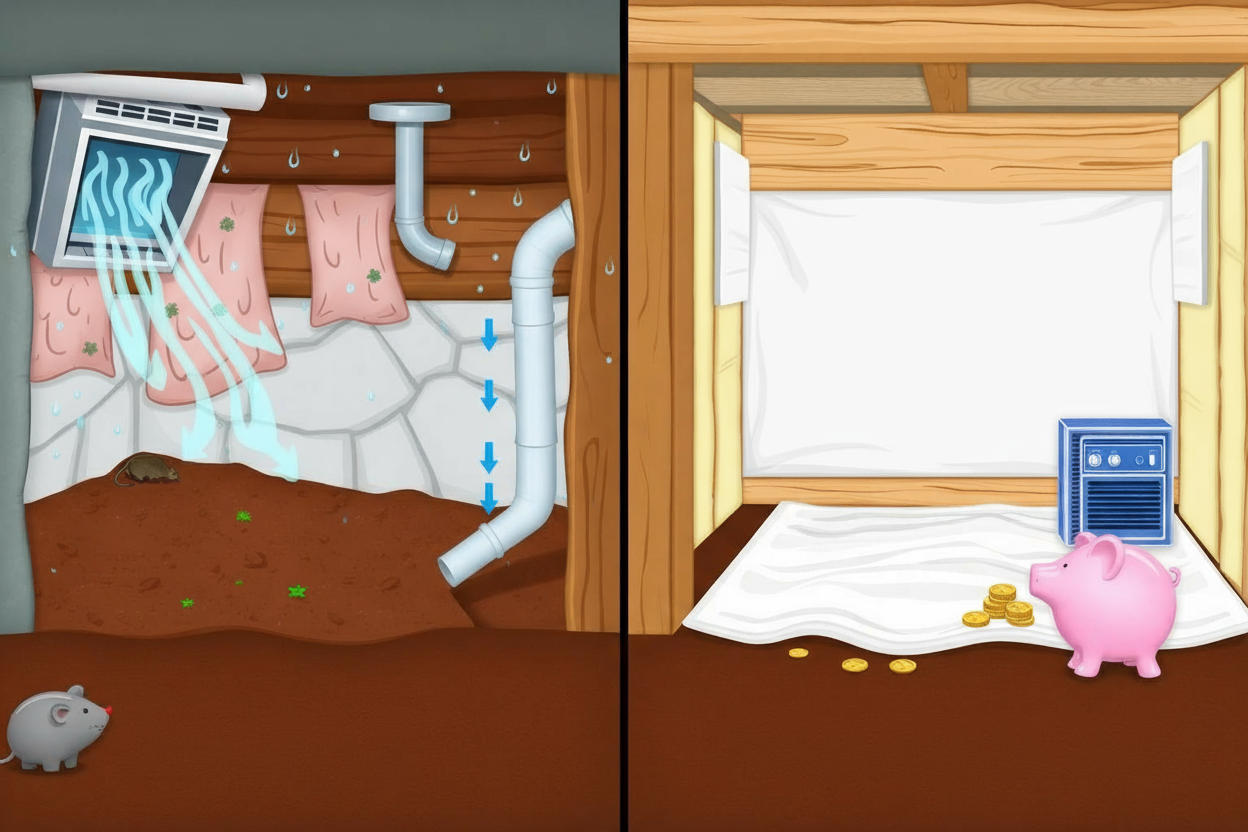
- Address the Moisture Source: Mold remediation without fixing the underlying moisture problem is just a temporary Band-Aid. Consider crawl space encapsulation, drainage improvements, or installing a dehumidifier.
- Document Everything: Take photos and keep records. This documentation can be valuable for insurance claims or when selling your home.
The Triangle Area Difference
Raleigh, Durham, Chapel Hill, Cary, Clayton, Wendell, and Zebulon all share similar climate challenges when it comes to crawl space mold:
- High Humidity: Average relative humidity in the Triangle ranges from 65-85%, well above the 60% threshold where mold thrives.
- Heavy Seasonal Rainfall: Spring and summer thunderstorms, combined with occasional tropical weather systems, dump significant moisture into our area.
- Clay-Heavy Soil: The Piedmont region's red clay soil retains moisture and can cause persistent dampness in crawl spaces.
- Older Housing Stock: Many Triangle homes were built with vented crawl spaces, which research now shows actually increases moisture problems in our climate.
Prevention Is Your Best Defense
The good news? Crawl space mold is entirely preventable with the right approach. Professional encapsulation creates a moisture barrier that eliminates the conditions mold needs to grow. Combined with proper drainage, sealed vents, and a commercial-grade dehumidifier, you can create a crawl space environment where mold simply cannot survive.
Triangle Crawlspace and Mold Pros has helped hundreds of Raleigh area homeowners transform moldy, humid crawl spaces into clean, dry spaces that protect both health and home value. Our NORMI-certified technicians use proven techniques specifically designed for North Carolina's challenging climate.
Take Action Today
If you've identified one or more of these warning signs in your home, don't wait. Mold problems compound quickly, and what starts as a minor issue can become a major health hazard and expensive repair.
Schedule Free AssessmentThis article is for informational purposes and does not constitute professional advice. For specific concerns about mold in your home, consult with certified professionals.