Beating Summer Humidity: Dehumidifier Tips for Durham Homes
Durham summers are brutal on crawl spaces. Learn how to choose and maintain the right dehumidifier.

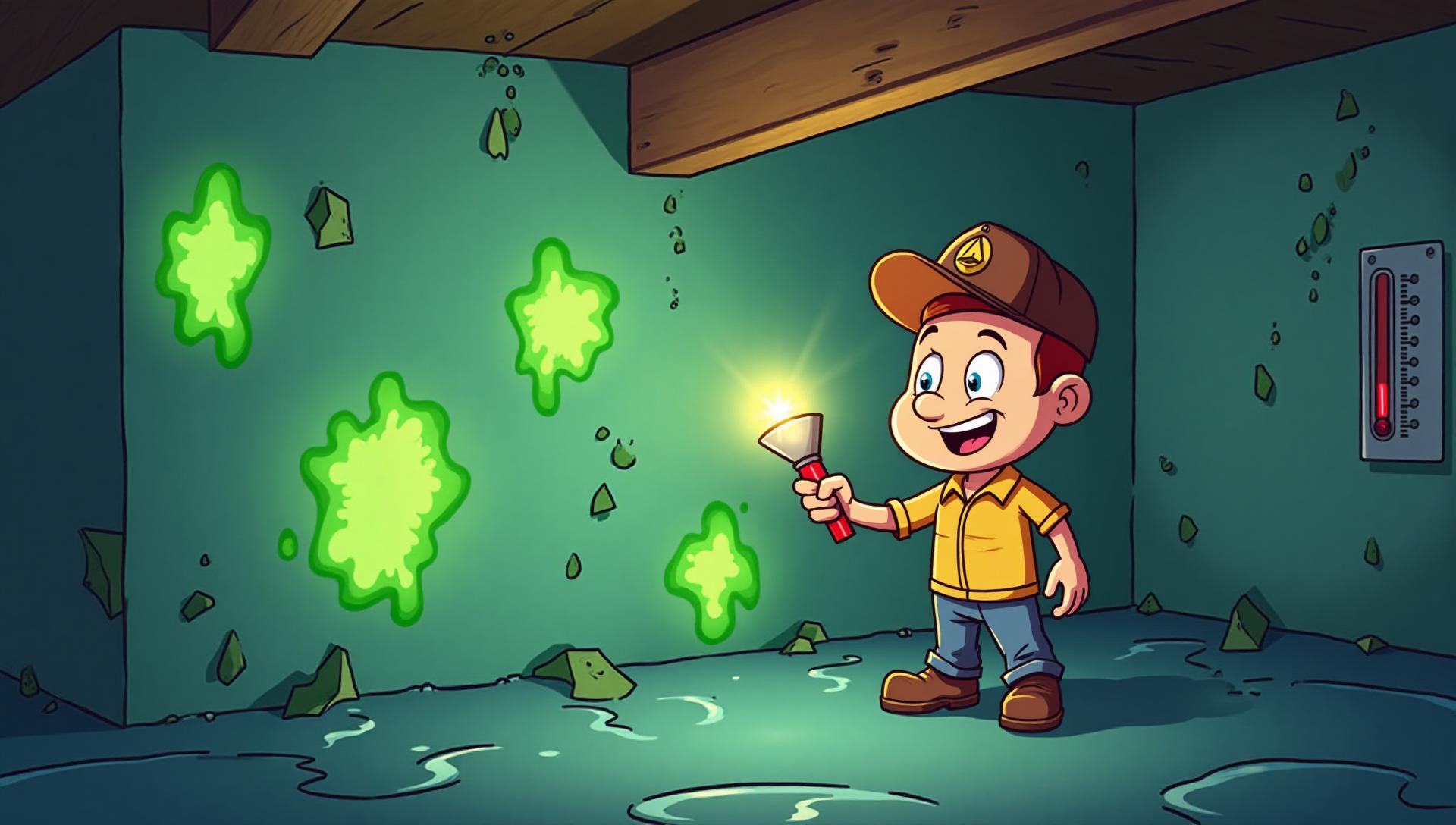
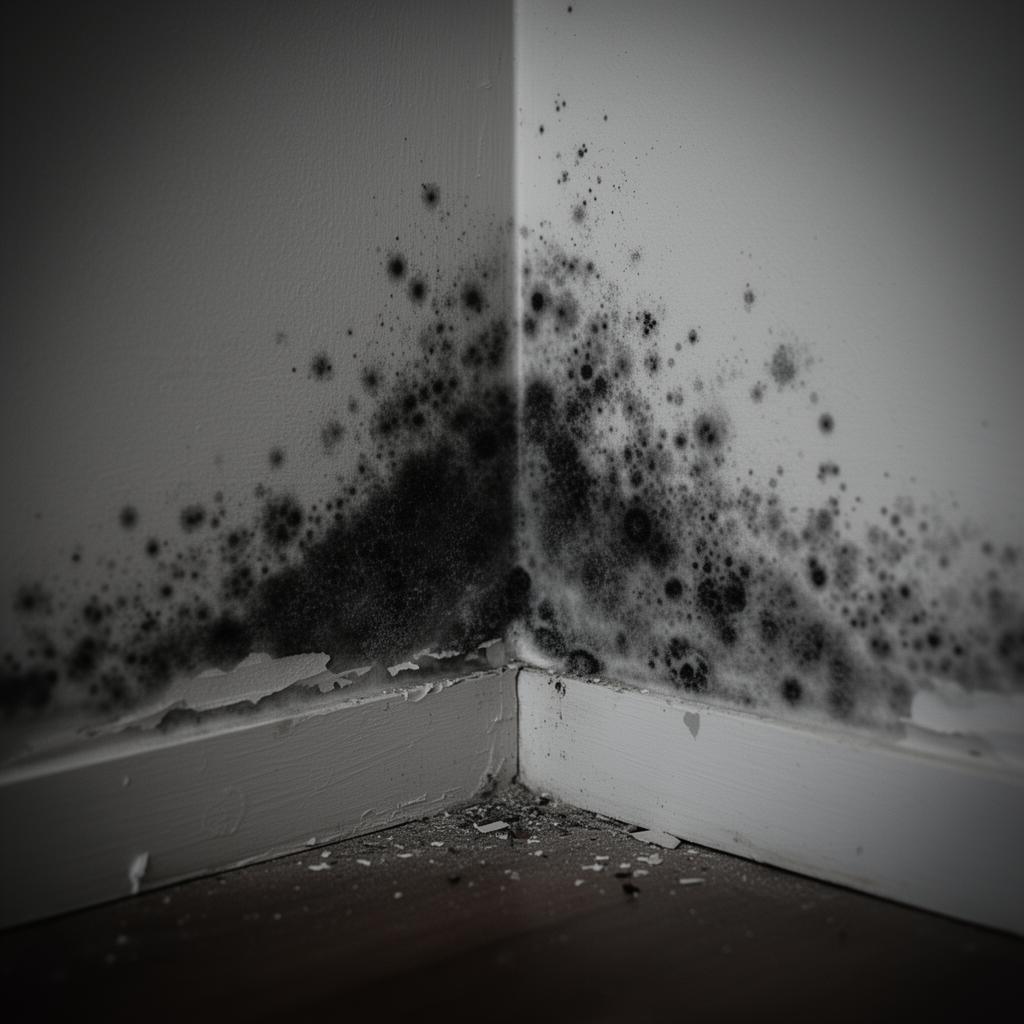
If you've ever stepped outside in Durham during July or August, you know exactly what we're talking about. That thick, soupy air that makes breathing feel like work. Now imagine that same humid air settling into your crawl space, condensing on cool surfaces, and creating the perfect breeding ground for mold. That's where a properly selected and maintained crawl space dehumidifier becomes your home's first line of defense.
Durham's Unique Challenge
Durham's average summer humidity hovers between 70-85%, with dewpoints regularly reaching the uncomfortable 70°F mark. When that humid air meets your crawl space (typically 10-15 degrees cooler than outside), condensation is inevitable. A quality dehumidifier removes this moisture before it can cause problems.
Why Standard Dehumidifiers Don't Work in Crawl Spaces
Here's a mistake we see Triangle homeowners make all the time: buying a basement dehumidifier from a big box store and putting it in the crawl space. Those units are designed for finished, conditioned spaces with easy access for maintenance. Crawl spaces need specialized equipment.
Standard dehumidifiers fail in crawl spaces because:
- They can't handle low temperatures: Crawl spaces can drop to 55-60°F even in summer. Standard units frost up and shut down at these temperatures.
- They lack automatic drainage: You'd need to crawl under your house multiple times daily to empty the bucket.
- They're not built for continuous operation: Crawl spaces need 24/7 moisture control, which burns out residential units quickly.
- They can't cover enough area: Most residential units are rated for 500-1,000 square feet in ideal conditions. Crawl spaces with standing water, damp ground, and poor air circulation need much more capacity.
Choosing the Right Crawl Space Dehumidifier
1. Capacity Matters (More Than You Think)
Dehumidifiers are rated by how many pints of water they can remove per day. For Durham crawl spaces, you need serious capacity:
- Under 1,000 sq ft: Minimum 70-pint capacity
- 1,000-2,000 sq ft: 90-100 pint capacity
- Over 2,000 sq ft: 120+ pint capacity or multiple units
Don't skimp here. An undersized unit will run constantly, drive up your electric bill, and still fail to control humidity. In Durham's climate, oversizing slightly is actually recommended.
2. Look for These Essential Features
Automatic Defrost Cycle
Critical for operation below 65°F. The unit should detect frost buildup and automatically switch to defrost mode without shutting down completely.
Built-in Condensate Pump
Automatically pumps collected water out of the crawl space. Look for pumps rated to lift water at least 15 feet vertically, which ensures it can reach ground level drainage.
Adjustable Humidistat
Lets you set target humidity levels (typically 50-55% for crawl spaces). The unit cycles on and off to maintain this level, saving energy.
Low-Temperature Operation
Must be rated for continuous operation down to 40-45°F. This matters even in Durham's mild winters, as crawl spaces stay cool year-round.
Energy Star Certification
Crawl space dehumidifiers run 24/7 during humid months. Energy-efficient models can save $150-300 annually on electricity.
3. Commercial-Grade vs. "Crawl Space Rated"
You'll see units marketed as "crawl space dehumidifiers" that are really just standard models with a condensate pump. True commercial-grade units like those from Aprilaire, Santa Fe, or SaniDry are built specifically for harsh crawl space conditions:
- Corrosion-resistant housing
- Sealed motors that handle moisture
- Washable filters that tolerate crawl space dust
- Warranties that actually cover crawl space installation
- Higher extraction rates in cool, damp conditions
Yes, commercial units cost more upfront ($1,200-$2,500 vs $300-500 for residential), but they last 10-15 years instead of 2-3, and they actually maintain the humidity levels you need.
Installation Tips That Make or Break Performance
Location, Location, Location
Even the best dehumidifier won't work if it's poorly placed. Here's what matters:
- Central placement: Position the unit as close to the center of your crawl space as possible to ensure even air circulation
- Elevated surface: Place it on blocks or a platform to keep it off damp ground and protect the condensate pump
- Away from obstructions: Clear at least 12 inches around all sides for proper airflow
- Near power source: Use a dedicated GFCI outlet. Never use extension cords for dehumidifiers
- Accessible for maintenance: Don't bury it in the farthest corner. You'll need to service it periodically
Drainage Setup
Your dehumidifier will collect 5-15 gallons of water daily during Durham summers. That water has to go somewhere:
- Pump to outside: Most common solution. Run drain line to daylight or connect to existing drainage
- Pump to sump: If you have a sump pump, you can drain into the sump pit
- Gravity drain: Only works if you have a slope from the dehumidifier to exterior drainage
Pro tip: Install a water sensor near the dehumidifier. If the pump fails or the drain line clogs, you'll know immediately before water accumulates.
Operating Costs: What to Expect
For a typical 1,500 sq ft Durham crawl space with a 90-pint commercial dehumidifier:
- • June-September (peak): $40-60/month
- • May, October (moderate): $20-30/month
- • November-April (light): $10-20/month
- • Annual total: $300-450
This is far less than the cost of mold remediation ($3,000-8,000) or structural repairs from wood rot ($5,000-15,000).
Maintenance Schedule for Peak Performance
Monthly (During Operating Season)
- Check and clean the filter (takes 5 minutes)
- Verify condensate is draining properly
- Check humidity reading (should be 50-55%)
- Listen for unusual noises indicating mechanical issues
Quarterly
- Deep clean the filter
- Inspect drain lines for clogs or kinks
- Clean the coils if accessible
- Test the condensate pump by pouring water in the reservoir
Annually
- Professional inspection and cleaning
- Test all sensors and controls
- Check refrigerant levels (for commercial units)
- Inspect electrical connections
- Clean or replace drain pump if needed
Warning Signs Your Dehumidifier Is Failing
- • Humidity readings above 60% despite the unit running
- • Unit cycling on and off every few minutes
- • Excessive frost buildup that doesn't clear
- • Water pooling near the unit
- • Musty odors returning to your home
- • Dramatic increase in electricity usage
- • Loud grinding or rattling noises
Don't ignore these signs. A failing dehumidifier can't protect your crawl space, and waiting too long can lead to expensive mold and moisture damage.
Dehumidifier Alone Isn't Enough
Here's an important truth: a dehumidifier is just one part of proper crawl space moisture control. Think of it like this: if you have a leaky boat, bailing water out doesn't fix the leak. Similarly, if you have:
- Standing water or active leaks
- No vapor barrier on the ground
- Open vents letting in humid air
- Poor drainage around your foundation
- Leaking HVAC ducts or plumbing
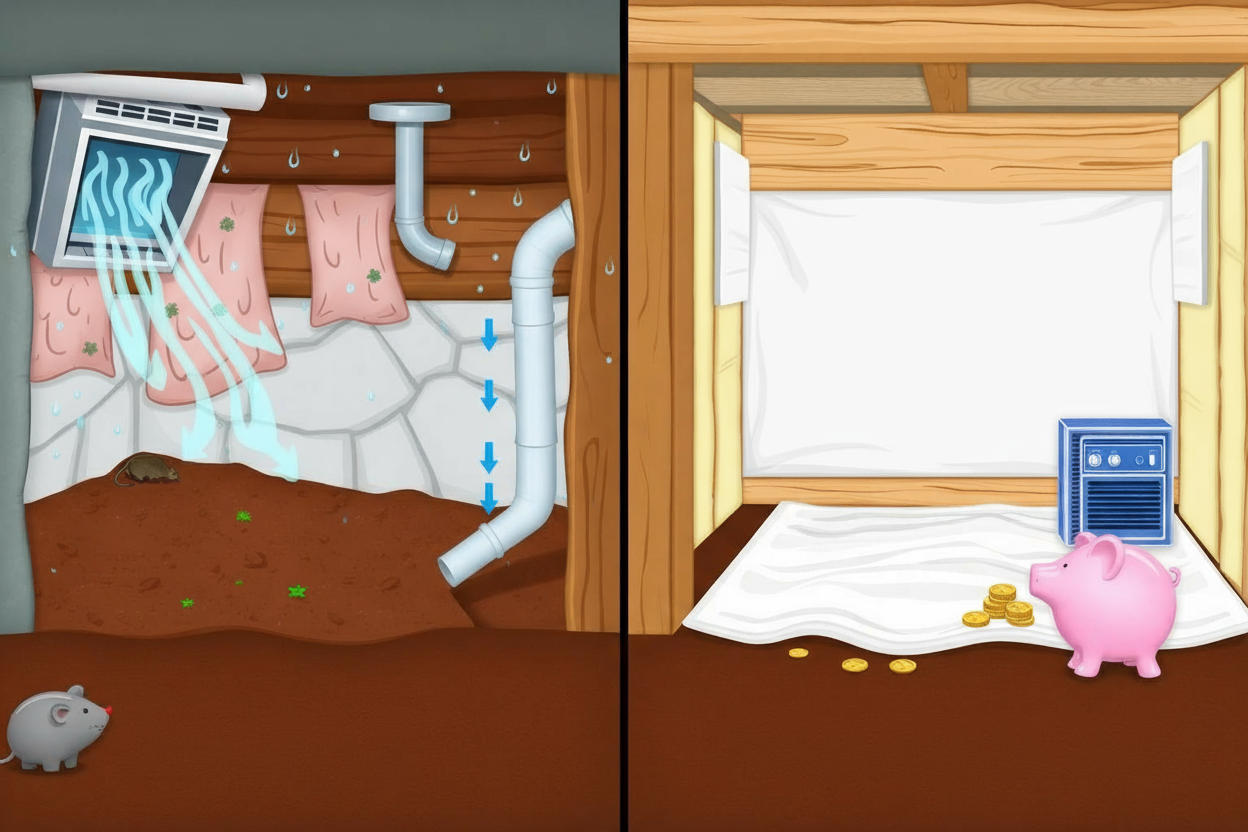
Then even the best dehumidifier will struggle. It'll run constantly, cost a fortune in electricity, and still not adequately control humidity. This is why full encapsulation with a dehumidifier gives the best results. You eliminate moisture sources first, then the dehumidifier handles what's left.
Making the Right Choice for Your Durham Home
Durham's summer humidity isn't optional, but crawl space mold and moisture damage are entirely preventable. A properly sized, correctly installed commercial-grade dehumidifier keeps your crawl space dry, your home healthy, and your energy bills reasonable.
Don't make the common mistake of going cheap with a residential unit or undersizing to save money. The few hundred dollars you save upfront will cost you thousands in repairs, replacement units, and energy waste.
Get Expert Guidance
Not sure what size dehumidifier you need? Wondering if your existing unit is adequate? Triangle Crawlspace and Mold Pros provides free crawl space assessments throughout Durham and the Triangle area. We'll measure your space, assess moisture sources, and recommend the right solution for your specific situation.
Schedule Free AssessmentOperating costs based on Duke Energy residential rates and typical equipment specifications. Individual costs may vary based on specific equipment, usage patterns, and local utility rates.
*All prices shown are estimates only. Actual equipment and installation costs will be determined after a comprehensive inspection of your specific crawl space conditions, square footage, and installation requirements. Final pricing subject to inspection.