Encapsulation vs. Vented: What Triangle Homeowners Need to Know
The debate is over. Discover why crawl space encapsulation is the superior choice for North Carolina's humid climate.
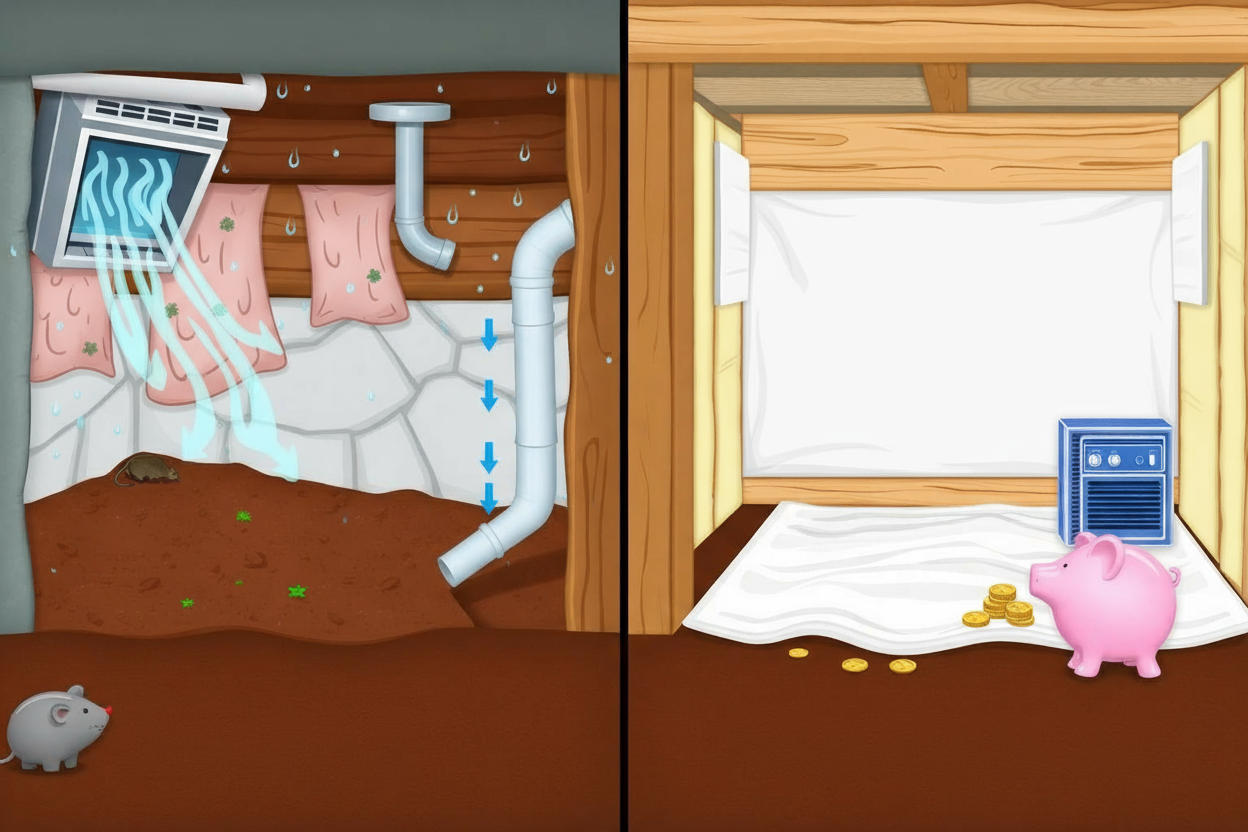
For decades, vented crawl spaces were the standard in home construction across North Carolina. The logic seemed sound: allow air to flow through the crawl space to prevent moisture buildup. But here's the problem - that approach was based on climate conditions in other parts of the country, not the hot, humid Triangle area. Modern building science has proven that in our climate, vented crawl spaces actually cause more problems than they solve.
Understanding Traditional Vented Crawl Spaces
Traditional vented crawl spaces feature foundation vents designed to create cross-ventilation. The theory was that outside air would blow through, keeping the space dry. This method was widely accepted until researchers began studying what actually happens in humid climates like ours.
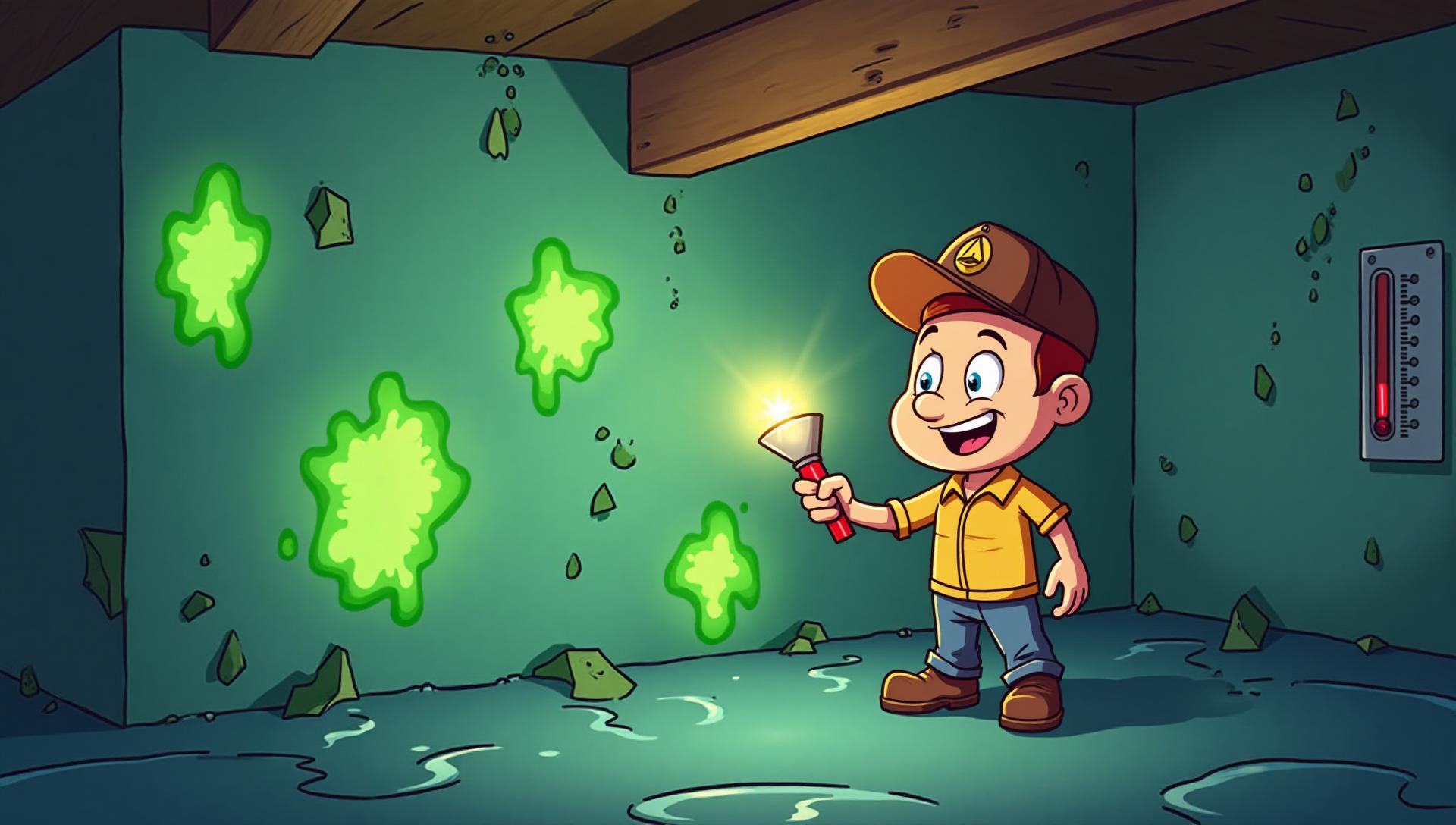
In Raleigh, Durham, and Chapel Hill, our summer humidity regularly exceeds 70-80%. When that humid outdoor air enters a cooler crawl space, basic physics takes over: warm air holds more moisture than cool air. As humid air cools in your crawl space, it can't hold as much water vapor, so that moisture condenses on cool surfaces like pipes, ductwork, and floor joists. The result? Exactly what the vents were supposed to prevent - moisture accumulation, mold growth, and wood rot.
Problems with Vented Crawl Spaces in NC
- ✗ Introduce humid outdoor air into the home
- ✗ Create condensation on cool surfaces
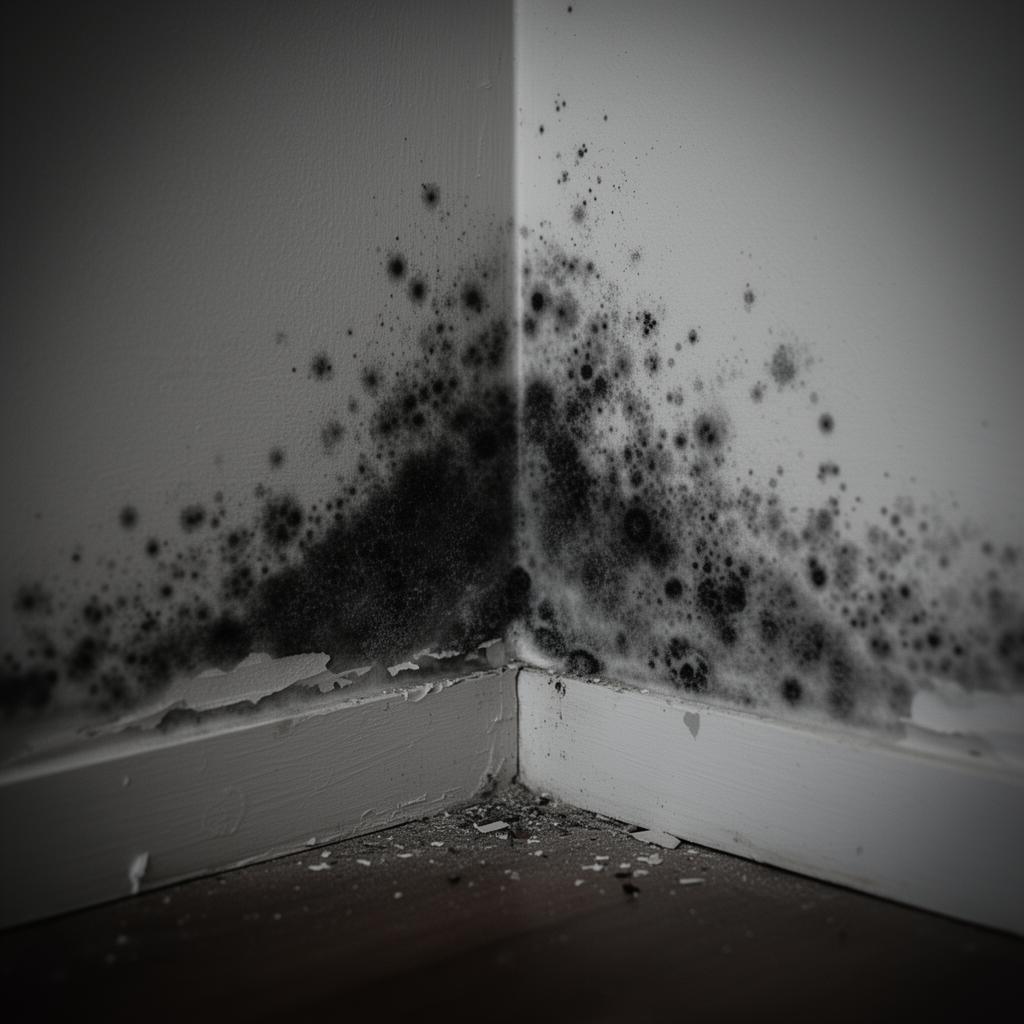
- ✗ Promote mold and mildew growth
- ✗ Increase energy costs by 15-25%
- ✗ Allow pests and rodents entry points
- ✗ Reduce HVAC efficiency
- ✗ Cause insulation to fail and sag
What Is Crawl Space Encapsulation?
Crawl space encapsulation is a comprehensive moisture control system that seals your crawl space from the outside environment. Instead of relying on outside air to "dry" the space, encapsulation creates a controlled environment that keeps moisture out entirely.
A complete encapsulation system includes:
- Heavy-duty vapor barrier: A thick (typically 20-mil) polyethylene liner covers the entire floor and walls, sealed at all seams
- Sealed foundation vents: All exterior vents are permanently sealed to prevent humid outdoor air from entering
- Insulation: Foam board insulation on walls provides thermal protection and prevents condensation
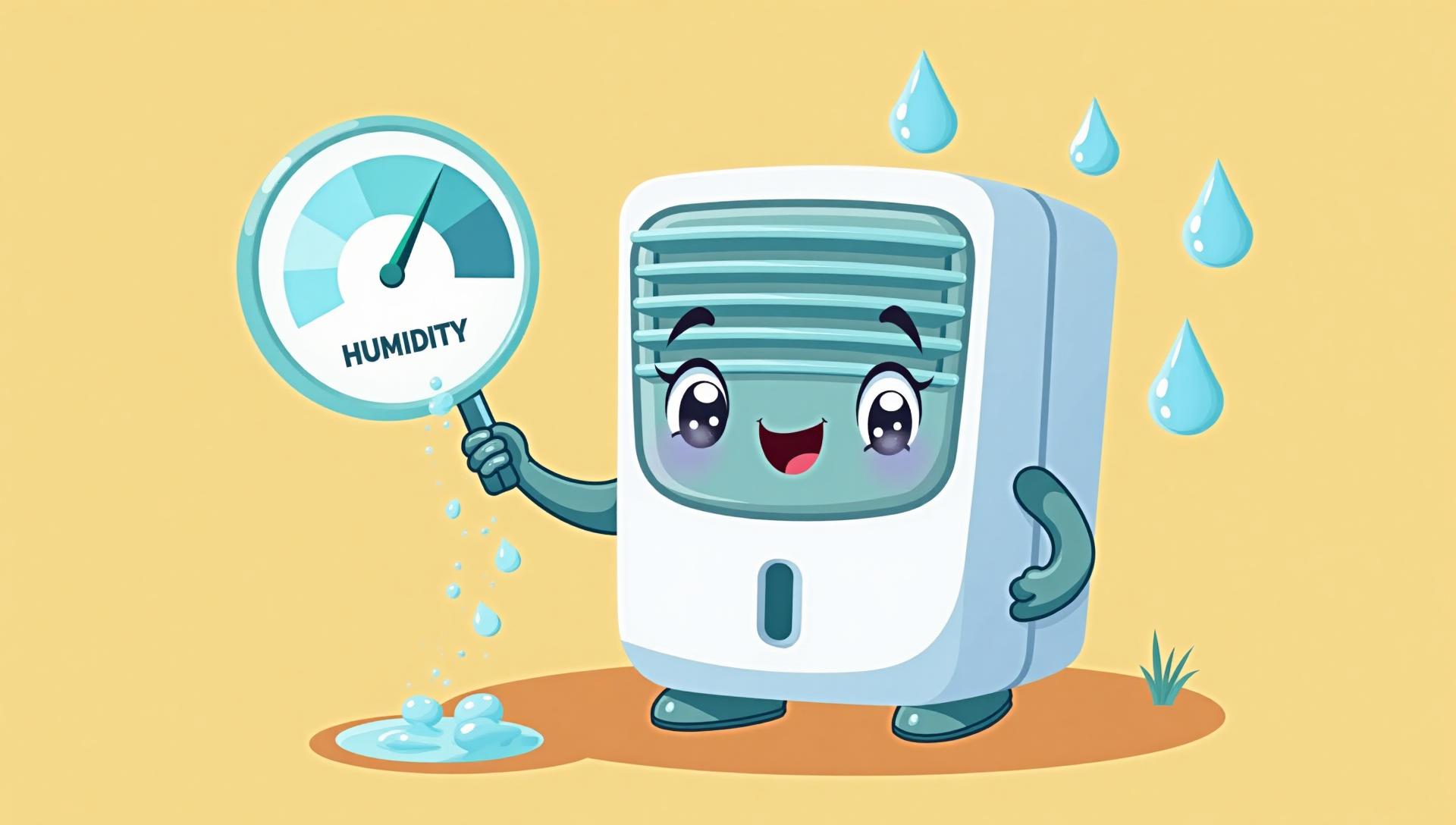
- Dehumidification: A commercial-grade dehumidifier maintains optimal humidity levels year-round
- Proper drainage: Sump pumps or drainage systems handle any water that does enter
Benefits of Encapsulation
- ✓ Reduces humidity by 40-60%
- ✓ Prevents mold and mildew growth
- ✓ Lowers energy bills by 15-20%
- ✓ Improves indoor air quality
- ✓ Protects structural wood from rot
- ✓ Creates usable storage space
- ✓ Increases home value
- ✓ Reduces pest infiltration
The Science Behind Why Encapsulation Works in NC
North Carolina sits in what building scientists call a "mixed-humid climate zone." Our summers are hot and sticky, our winters are cool and damp, and we get significant rainfall year-round. This combination makes vented crawl spaces particularly problematic.
During summer months, when outdoor humidity peaks:
- Outdoor air at 85°F and 80% humidity enters through vents
- The crawl space temperature might be 65-70°F (cooler than outside)
- As warm air cools, its relative humidity increases dramatically
- At 70°F, that air is now at 100% relative humidity, causing condensation
- Mold begins growing when relative humidity exceeds 60% for extended periods
Encapsulation breaks this cycle by controlling both temperature and humidity. By sealing the space from outside conditions and using a dehumidifier to actively control moisture levels, you maintain consistent conditions that prevent mold growth and wood deterioration.
Real Cost Comparison: Raleigh Area Data
Let's break down the real costs over a 10-year period for an average 1,500 square foot Triangle area home:
Vented Crawl Space (10 Years)
Encapsulated Crawl Space (10 Years)
Net Savings with Encapsulation: $6,600 Over 10 Years
Plus increased home value, better air quality, and peace of mind knowing your home is protected from mold and structural damage.
What Building Codes and Research Say
The International Residential Code (IRC) now recognizes encapsulated crawl spaces as an acceptable and often preferred method. Section R408.3 allows unvented crawl spaces when specific conditions are met, acknowledging that in many climates, this approach is superior to traditional venting.
Research from Advanced Energy, a North Carolina-based building science organization, found that in our climate zone:
- Sealed crawl spaces had 40% lower relative humidity than vented spaces
- Energy consumption decreased by an average of 18%
- Floor temperatures in winter were 2-4 degrees warmer, improving comfort
- Zero mold growth was observed in properly encapsulated spaces
Common Concerns About Encapsulation (Answered)
"Won't sealing my crawl space trap moisture inside?"
This is the most common concern, and it's based on a misunderstanding of where crawl space moisture comes from. In our climate, the vast majority of moisture enters through vents (humid outdoor air) and ground evaporation. A proper vapor barrier stops ground moisture, and sealing vents stops humid air. The dehumidifier removes any remaining moisture. The system actively controls moisture rather than hoping air flow will magically dry things out.
"Isn't encapsulation just for new homes?"
Not at all. In fact, most encapsulation projects are retrofits on existing homes. We regularly encapsulate crawl spaces in homes built in the 1960s, 70s, 80s, and beyond. The process works for any home with a crawl space foundation, regardless of age.
"What about my HVAC system and water heater?"
Equipment in the crawl space actually benefits from encapsulation. Furnaces, AC units, and water heaters work more efficiently in conditioned space. You're no longer forcing your AC to cool air that's already been heated and moisturized by a hot, humid crawl space. Ductwork in an encapsulated crawl space doesn't accumulate condensation or distribute mold spores.
Making the Right Choice for Your Triangle Home
If you're building a new home or dealing with moisture problems in an existing home, the choice is clear: encapsulation is the scientifically proven solution for North Carolina's climate. Vented crawl spaces are outdated technology based on incorrect assumptions about how moisture behaves in humid environments.
The upfront investment in encapsulation pays for itself through energy savings, prevents costly mold remediation and structural repairs, improves your family's health, and increases your home's resale value.
Ready to Make the Switch?
Triangle Crawlspace and Mold Pros specializes in converting vented crawl spaces to fully encapsulated systems. Our NORMI-certified technicians understand the unique challenges of North Carolina homes and use proven techniques to deliver lasting results.
Schedule Free ConsultationAll cost estimates are based on average Triangle area homes and actual energy data from local utility companies. Individual results may vary based on home size, condition, and usage patterns.
*All prices shown are estimates only. Actual costs will be determined after a comprehensive inspection of your specific crawl space conditions, square footage, existing damage, and required scope of work. Final pricing subject to inspection.