Post-Hurricane Lessons: Waterproofing Cary Homes for Future Storms
Learn from Hurricane Fran and recent storms. Essential waterproofing strategies every Cary homeowner needs.

If you lived in Cary during Hurricane Fran in 1996, you remember the devastation. Trees down everywhere, power out for weeks, and significant flooding across the Triangle. While we can't control when the next major storm will hit, we can absolutely control how prepared our homes are. Nearly three decades of post-Fran experience has taught Cary homeowners critical lessons about protecting crawl spaces and foundations from storm damage.
Cary's Storm Reality
Since Fran, we've experienced numerous tropical systems and severe weather events:
- • Hurricane Florence (2018): 20+ inches of rain in parts of NC
- • Hurricane Matthew (2016): Widespread flooding across the region
- • Hurricane Irene (2011): Significant wind and water damage
- • Countless tropical storms and severe thunderstorms annually
The question isn't if another major storm will hit, but when. And whether your home will be ready.
Understanding How Storms Damage Crawl Spaces
Most homeowners focus on roof damage and fallen trees during storms. But some of the most expensive, long-lasting damage happens below the house in crawl spaces:
1. Standing Water Infiltration
During major rain events, water can enter crawl spaces from multiple sources:
- Overwhelmed gutters: When gutters clog or overflow, water cascades directly against your foundation and seeps into crawl spaces
- Saturated soil: Ground becomes so waterlogged that hydrostatic pressure forces water through foundation walls and up through floors
- Vented openings: Traditional vented crawl spaces allow direct water entry during flooding
- Failed sump pumps: Power outages during storms knock out sump pumps right when you need them most
Even a few inches of standing water can cause thousands in damage: ruined insulation, mold growth within 24-48 hours, wood rot, and damaged HVAC systems.
2. Wind-Driven Rain Through Vents
Hurricane-force winds don't just knock down trees. They drive rain sideways directly through foundation vents, soaking crawl spaces even when there's no standing water outside.
After Hurricane Florence, we serviced dozens of Cary homes where crawl spaces were drenched despite being on high ground with no flooding. The culprit? Wind-driven rain through open vents combined with weeks of saturation.
3. Post-Storm Humidity Spike
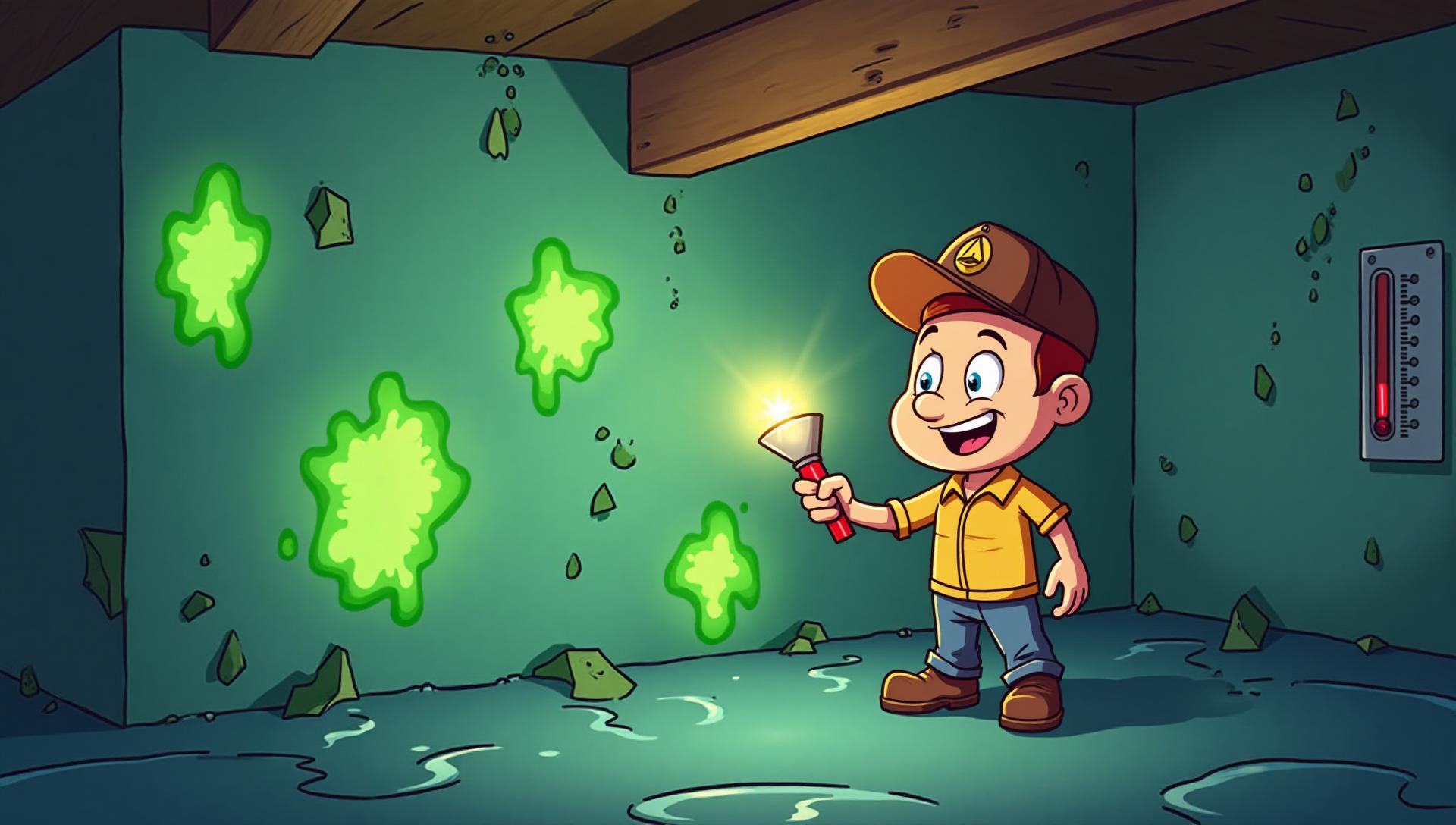
After major storms pass, humidity levels remain elevated for weeks. Ground stays saturated, creating ongoing moisture problems even after standing water recedes. This prolonged high humidity is prime mold-growing season.
Lessons from Hurricane Fran: What Worked, What Didn't
What DIDN'T Protect Homes
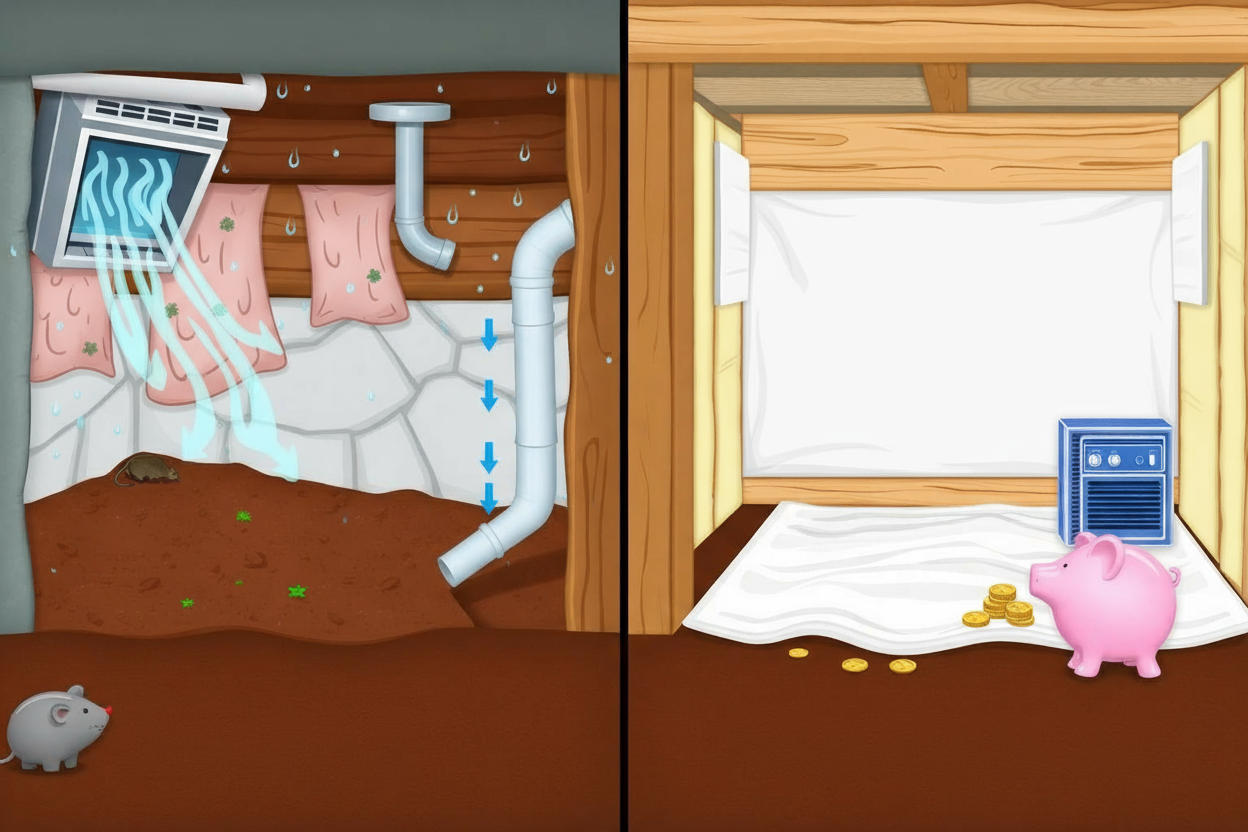
- ✗Vented crawl spaces: Allowed water and humidity intrusion
- ✗Standard sump pumps: Failed during power outages
- ✗Fiberglass insulation: Absorbed water and failed completely
- ✗French drains alone: Overwhelmed by volume
- ✗"I'll deal with it after": Resulted in $10k+ in mold and structural repairs
What DID Protect Homes
- ✓Sealed crawl spaces: Kept water and moisture out
- ✓Battery backup pumps: Continued working during outages
- ✓Proper grading: Directed water away from foundations
- ✓Comprehensive drainage: Multiple systems handling water
- ✓Dehumidifiers: Managed post-storm humidity
Essential Waterproofing Strategies for Triangle Homes
Strategy 1: Comprehensive Encapsulation
Crawl space encapsulation is your first and best defense against storm water damage. Here's why it works:
- Sealed vents: No entry points for wind-driven rain
- Heavy-duty vapor barrier: 20-mil polyethylene creates waterproof barrier on floors and walls
- Sealed seams: Professional installation ensures no weak points
- Controlled environment: Even if water enters, encapsulation contains it and makes removal easier
Post-Florence, we inspected homes with encapsulated crawl spaces that experienced zero damage despite sitting in neighborhoods with widespread flooding. The investment paid for itself many times over.
Strategy 2: Multi-Layered Drainage Systems
Never rely on a single drainage method. Storms overwhelm single-point systems. A comprehensive approach includes:
Interior Drainage
Perimeter drain system inside crawl space collects water before it accumulates. Channels to sump pit for removal.
Exterior Drainage
French drains and drainage mats outside foundation walls intercept water before it reaches your home.
Proper Grading
Soil should slope away from foundation at minimum 6 inches over first 10 feet. Directs surface water away naturally.
Gutter Systems
Clean, properly sized gutters with extensions that discharge at least 10 feet from foundation. Consider gutter guards.
Strategy 3: Battery Backup Sump Pumps
This is non-negotiable for storm protection. Standard sump pumps are useless during power outages, which always accompany major storms. A battery backup system:
- Activates automatically if power fails
- Runs for 8-12 hours on a single charge (longer with larger batteries)
- Protects your home during critical hours when storms peak
- Costs $400-800 to install, prevents $5,000-20,000 in water damage
Real World Test: Hurricane Florence
We tracked two nearly identical homes in Cary during Florence's aftermath:
Home A (Unprepared)
- • Vented crawl space
- • Standard sump pump
- • 6 inches standing water
- • Extensive mold within 1 week
- • Total damage: $12,400
Home B (Protected)
- • Encapsulated crawl space
- • Battery backup pump
- • Bone dry throughout
- • Zero mold, zero damage
- • Total damage: $0
Strategy 4: High-Capacity Dehumidification
After the rain stops, the real battle begins. Post-storm humidity creates ideal mold conditions. A commercial-grade crawl space dehumidifier:
- Removes 90-120 pints of moisture daily
- Operates continuously on battery backup during brief outages
- Maintains safe humidity levels (below 55%) preventing mold growth
- Drains automatically, no manual emptying required
Strategy 5: Foundation Waterproofing
For homes in flood-prone areas or with chronic water issues, exterior foundation waterproofing provides ultimate protection:
- Excavation and treatment: Foundation walls are exposed and treated with waterproof membrane
- Drainage board installation: Protects waterproofing and channels water to footer drains
- Footer drain repair/installation: Perimeter drainage at foundation base
- Backfill with proper materials: Ensures drainage away from foundation
This is the most expensive option ($5,000-15,000 depending on home size) but provides guaranteed protection against hydrostatic pressure and seepage.
Pre-Storm Checklist for Cary Homeowners
When you hear a tropical system is heading our way, take these steps 48-72 hours before expected landfall:
48 Hours Before
- ☐ Clean all gutters and downspouts
- ☐ Check sump pump operation (pour water in pit to test)
- ☐ Verify battery backup pump is charged
- ☐ Clear yard drains and catch basins
- ☐ Move valuable items out of crawl space if not encapsulated
- ☐ Ensure dehumidifier is operating properly
- ☐ Check that downspout extensions are in place and directing water away
- ☐ Inspect visible foundation for cracks or openings
24 Hours Before
- ☐ Photograph crawl space conditions (for insurance if needed)
- ☐ Test all backup systems
- ☐ Have emergency supplies ready (flashlights, batteries, etc.)
- ☐ Know how to access your crawl space shut-off valves
- ☐ Have contact info for emergency restoration services
Post-Storm Actions
After the storm passes, quick action prevents minor water intrusion from becoming major damage:
- Inspect within 24 hours: Check for standing water, leaks, or dampness. Mold can start growing within 24-48 hours.
- Document everything: Photos and videos for insurance claims. Even if you don't file a claim, documentation helps track issues.
- Remove standing water immediately: Don't wait for it to evaporate. Use pumps or wet-vacs.
- Run dehumidifiers continuously: For at least 2-3 weeks post-storm to combat elevated humidity.
- Monitor for mold: Check weekly for signs of mold growth, especially in the first month after storms.
- Address any damage immediately: Water-damaged materials that remain wet grow mold. Replace or professionally dry them quickly.
Don't Wait Until the Next Storm Is Forecast
The worst time to waterproof your crawl space is when a hurricane is already spinning in the Atlantic. Contractors get booked solid, materials become scarce, and rushed work leads to mistakes. Protect your Cary home now, during the off-season, when you can make thoughtful decisions and get quality work completed properly.
Investment vs. Risk: The Numbers
Let's put costs in perspective:
Comprehensive Protection Package
- Crawl space encapsulation: $5,000-7,000
- Battery backup sump: $600-900
- Commercial dehumidifier: $1,500-2,000
- Improved drainage: $1,000-2,000
- Total Investment: $8,100-11,900
Average Storm Damage Costs (Unprotected)
- Water extraction: $1,000-3,000
- Mold remediation: $3,000-8,000
- Structural wood repair: $5,000-12,000
- Insulation replacement: $2,000-4,000
- HVAC damage: $1,000-5,000
- Potential Loss: $12,000-32,000+
Plus: deductibles, temporary housing during repairs, increased insurance premiums, lost personal items, and the stress and disruption of major repairs.
Climate Change Reality
Regardless of your views on climate change, the data is clear: North Carolina is experiencing more intense precipitation events. The "100-year storm" designation increasingly doesn't reflect reality. Triangle area homes need to be prepared for more frequent severe weather.
Waterproofing your crawl space isn't just about the next hurricane. It's about regular severe thunderstorms, flash flooding events, and the cumulative effect of our humid climate. Protection you install today works every single day, not just during named storms.
Protect Your Cary Home Before the Next Storm
Triangle Crawlspace and Mold Pros specializes in comprehensive waterproofing solutions designed specifically for North Carolina weather patterns. Our team has been protecting Triangle homes since Hurricane Fran, and we know what works. We'll assess your specific risk factors, explain your options clearly, and implement a protection system that fits your home and budget.
Schedule Free Waterproofing AssessmentDamage costs based on actual claims data from Triangle area insurance companies and restoration contractors. Individual costs vary based on home size, damage extent, and specific circumstances. The best way to know your costs is to prevent damage in the first place.
*All prices shown are estimates only. Actual costs will be determined after a comprehensive inspection of your specific property conditions, drainage needs, and required scope of work. Final pricing subject to inspection.